Showing posts with label OUGD201. Show all posts

Monday, 21 November 2011

Questions for research

Research for the event - this beach would not be suitable looking at the feedback i got.
I feelm Abersochs main beach would be much more appropriate for beginners and accessibility although porth ceriad is an amazing beach for surfing!! 
Proposal from this - A further event could be organised , a competition for the pro surfers or some kind of show.


What do you think about Abersoch beach 'Porth ceriad' for the surf.

Surf Bear, Wrexham
Porth Ceiriad is a great spot on its day, superb, fast, clean, left wedge away from cliff, can go to 6 feet. But a definite total no-no for beginners, unless you like eating sand or getting brained on the rocks. 26 years surfing, getting slow these days, so I have a good look at conditions before taking this one on, if it looks too much then Porth Oer is usually peachy. Either way beginners will have much more fun down at Harlech/Barmouth at this time of year. 
Mon Oct 27 10:11:37 2011
Gaz
Really not suitable for anyone who can't surf so don't push it for beginners to go there as you have done in your text. Thanks
Thu Oct 27 09:54:34 2011
Louise from stafford
Wicked beach and awesome, powerful waves. Prepare to get a beatin on a rough day. Delivers the most perfect barrel though on a good one.
Thu Oct 27 10:38:06 2011
dave from merseyside
good surf, great place to learn clean water, i really like it (apart from the long walk there and back)
Fri Oct 28 11:48:00 2011
Chris Capon, Manchester
This is a wonder of a spot to surf, it is more like a Hawaiian beach than a Welsh beach. When the waves get big on this beach they are BIG and very clean, unlike hells mouth where they get choppy very easily. I love this beach but the journey down is a killer and the way up is another story... but i still love it, it is part of the whole experiance for me and i LOVE it!
Fri Oct 28 16:29:23 2011

Wednesday, 16 November 2011

Influential quotes/facts and stats about surfing

These are some possible quotes and facts that i may include in my zine.
Taken from pro surfers, people living in a surfing culture, and experience in the promotional and branding side of it.


Going on in time, surfing has now become a lucrative profession… big money and many fans. Surf culture has invaded all aspects of life. Surfing is no longer only a sport or a lifestyle; it has developed into an industry, and a staple of our culture.


By the late 1970's surfing had a new centre, Australia. Aussie surfers brought a brash and bold attitude to the sport. The colourful style of Australian surfing found its way into new surf-based companies.


The first wetsuit was designed in the early 1950's in California, when Jack O'Neill stitched together pieces of neoprene in the form of vests. The wetsuit was so important, because for the first time surfers could surf all year round


A man named Dale Velzy is credited for the popularisation of surfing. Velzy was surfing's first sponsor, giving boards to local surfers in exchange for endorsements. Velzy was also the first major surfboard manufacturer to utilize a wide-scale advertising campaign. Velzy made surfing visible to the American public.


in 1915, internationally, Duke Kahanamoku (one of the greatest and most important men in surf history!) had introduced surfing to Australia, where it would catch on very quickly.


With the onset of the 1900's came a renewed interest in surfing. Revived at first in Hawaii by a group of resistant teens known as the 'Beach Boys of Waikiki'.


The first known occurrences of surfing are connected to the ancient Hawaiian tradition of "he'e nalu", meaning "wave-sliding".

The History behind surfing culture

Surf culture includes the people, language, fashion and life surrounding the art of surfing.
The culture began early in the 20th century, spread quickly during the 1950s and 1960s, and continues to evolve. It affected fashion, music, literature, films, jargon, and more. Surfers, who come from many walks of life, are bound by the hunt for great waves, the desire for the ultimate ride, and life in and around the ocean.
The fickle nature of weather and the ocean, plus the great desire for the best possible types of waves for surfing, make surfers dependent on weather conditions that may change rapidly.Surfer Magazine, founded in the 1960s when surfing had gained popularity with teenagers, used to say that if they were hard at work and someone yelled "Surf's up!" the office would suddenly be empty. Also, since surfing has a restricted geographical necessity (i.e. the coast), the culture of beach life often influenced surfers and vice versa. Localism or territorialism is a part of the development of surf culture in which individuals or groups of surfers designate certain key surfing spots as their own.
Aspects of 1960s surf culture in Southern California, where it was first popularized, include the woodie, bikinis and other beach wear, such as boardshorts or baggies, and surf music.Surfers developed the surfboard to be able to "surf" on land; and a number of other boardsports. Of these the most popular being snowboarding and skateboarding, in addition to other spin-offs that have grown out of the sport ever since.

Thursday, 10 November 2011

Monster Kiteboarding

Customized illustrations to make on silkscreen over kitesurfing boards for the mark “Monster Kiteboarding”


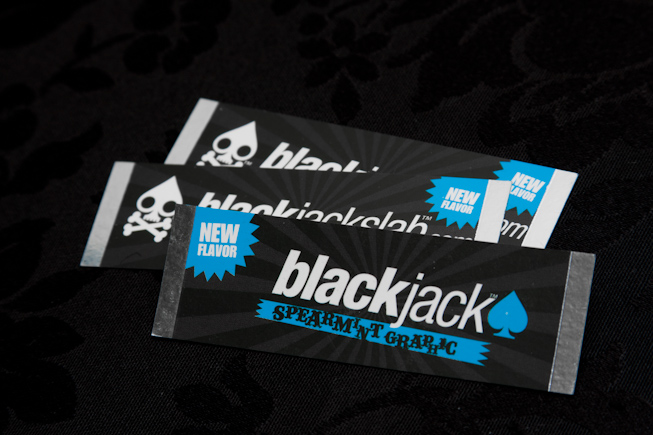
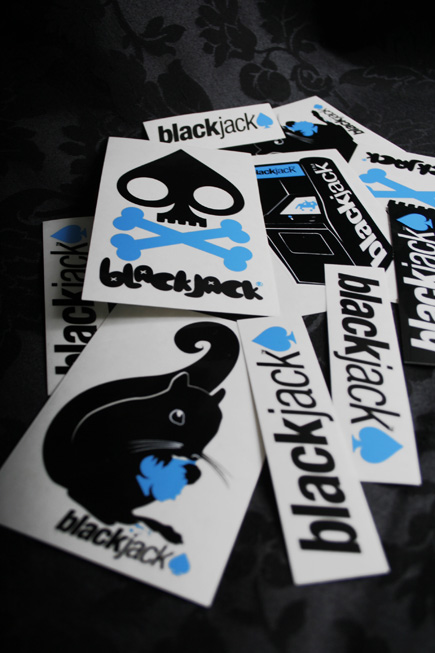
BLACKJACK

Some super cool poster designs for a beach party in italy


BLACKJACK

Fast food surf clothing designs for RRD , a well known surf brand.
Such a cool concept and love the colours in the packaging and works really well for t-shirt design....


BLACKJACK

some dark , masculine buisness card designs - self promotion

-graphic illustration
-fun
-includes blue 'element of water'
-combination of typefaces

...all of the elements used in my logo designs for my product 


Packaging influences - extreme sports -

RRD Clothing Hangtag

Roberto Ricci Designs S/S Season.
 Matt laminated 300gr stock paper + UV varnish + a little gadget as necklace.
SICK!


Energy drinks packaging

Danube Energy Drink Packaging

Graphic Design Categories Winner of "The promise of years of creative" Visual Arts Project and Exhibition, 2010 Hungary BKF (Budapest College of Communication and Business)
I really like the controversial design of this can, it is not typical of the usual packaging design of this product, which makes it stand out.
-NEUTRAL EARTHY COLOURS AS OPOSE TO BRIGHT ENERGETIC PRIMARY COLOURS.

Energy drinks packaging

Bomba Energy Drink

Bomba Energy design by Valentine Associates:
Love the shape of these bottles. It looks very out of the ordinary. 

Rubyy

 pretty typical packaging for an energy drink.
Rubyy Blood Orange Energy Drink, has been coined “the first ultra-premium luxury energy drink”. It was launched this year by Maurice Kanbar (the founder of Skyy Vodka) and Chris Huddleston.


Mt Dew

one of the most original energy drinks .  the packageing has been changed quite a lot over the years….still not sure what I think.


Bloom

I like the simplicity of the packaging, and the playful punctuation. Clever idea to put the flavor as the bottom of the exclamation point. Designed by CBX


Burn Energy Drink

Theres just something about the tall skinny can that alot of energy drinks come in…but look at the typography of the ingredients on the back,  love it, Designed by Ergo ID.


Suso

Vectored graphics style is also common on energy drink packaging, I like the design combined with the bright colors. This drink would catch my eye in the store.


Fuelosophy

I’m really liking the combination of a subtle gradient and the textured look of the arrows on this packaging. This packaging seems to be aimed more at a feminine audience but in a very subtle way.


Jolt

 Jolt cola, they have recently been rebranded and now they have a variety of energy drinks in an interesting metal can.


NOS

This is another drink that caught my eye….but not really because of the design, but rather the color of the packaging. Its bright and would definitely stand out on the shelf. 


Battery Drink

Again not the best design, but an interesting concept.

PACKAGING

The materials that make the pack

Traditionally certain packaging materials have been associated with certain markets. Wander around a supermarket and you’ll see a vast amount of glass in the alcohol section, plastic will dominate the cleaning product sector and carton will tend to dominate the cereal section. These traditional uses of materials have been longstanding.
However, designers are challenging preconceptions and helping change market conventions and consumer attitudes by using unconventiol materials to create dramatic packs.
Despite innovation in materials choice, there are still some limitations to what materials are suited for. So what do you have to consider when choosing a packaging material?

How will the product react with the packaging material?

We'd all expect industrial chemicals to have corrosive qualities, but not many of us know that lipgloss is caustic. Therefore choosing the correct material to pack a product may not be as straightforward as was first imagined. It is important to know how the product will react with the pack in both the short and long term, so testing is required. In some cases when you want to use a material which would react badly with the contents of the pack it may be possible to coat the inside of the pack with another material that has barrier properties to enhance the robustness of the pack and to maintain the quality of the product inside.

What does the pack have to endure in the supply chain?

The rigours of the supply chain are an often overlooked part of the product’s lifecycle. The pack must be strong enough to make sure it withstands transportation from the packaging manufacturer, to the filling line, to a distribution centre and on to the retailer. Over the past few years retailers have increased the amount of retail-ready packaging, corrugated packaging that transports products through the supply chain and which can then be used to display the product in store. This has dramatically increased the amount of corrugated material used in the packaging sector.

Target market

As the popularity of festivals and outdoor events has risen, so has the trend towards targeting the on-the-go market by the drinks industry. This is clearly illustrated by the wine sector’s move into alternative formats, such as aluminium and steel cans, carton packs, plastic bottles and now pouches. In this instance a change in target market has dictated a change in material choice and pack format.

The sustainability issue

The environment is at the forefront of consumers’ thoughts nowadays. As a consequence, it is important to consider the environmental qualities of the materials you are using. In some instances brands use materials because of the green connotations they present for consumers, for instance it is not uncommon for brands to use cartonboard brown-side up so as to give the product a “green” feeling. However, this can subsequently pose problems for printing as printing on the uncoated side reacts differently with the inks and has led some brands to replicate the appearance of uncoated board on coated materials. Marks and Spencer is one brand that uses the technique on everything from apple pies to Swiss rolls.
“In terms of printing on the reverse of board it can be a challenge to say the least,” says Chesapeake Pharmaceutical and Healthcare Packaging artwork and constructional design manager, UK and Ireland, Gill Wright. “The reverse of the board is not designed to be printed and therefore throws up a number of production challenges.” These include:
  • The ink absorbs into the board far more as the surface is porous. This can cause running issues in production due to board changing shape and warping.
  • Inefficiency as this causes issues in the cut and crease stages of the production process. 
  • For products which have direct contact with food or vitamins there are issues with the migration of inks from board to product for this reason it may be necessary to coat the lining, which adds cost to the price sensitive food market.
Chesapeake has developed a technique to mimic the effect of printing on the reverse side of board, giving the brand the same look and feel but without the production issues and ink migration problems faced in food.
Bioplastics refer to polymers that are made from renewable resources and/or can be biodegraded or decomposed, the two are not mutually exclusive. Renewable resources that can be used as a base for bioplastics include wood (cellulose), vegetable oils, sugar and starch. Issues have been raised around the source of the renewable resources used to manufacture bioplastics as there have been arguments that food crops have been diverted for their manufacture. There is also the issue that most bioplastics do not biodegrade in normal waste streams and can contaminate recycling streams. On the other hand there are oxo-biodegradable plastics, a by product of oil or natural gas, that can be recycled in normal waste streams, but will also degrade and subsequently biodegrade by itself.

Creating the structure and shape of a packaging

Designers have two key tools to grab the consumers’ attention, graphics and structure.
The structure of a pack can serve multiple purposes:
  • To create shelf standout and sell the product
  • To protect the product
  • To prolong the life of the product
  • To facilitate the use of the product
  • To reassure customers that it's part of a familar range
Designers create innovative and enticing packaging shapes using computer modelling and CAD visuals before they make mock ups to show how a pack might look and feel. While designing the structure of pack they will think about: 

Creating standout

Some products are instantly recognisable simply from the silhouette of their pack.

...for commissioning successful packaging design


  1. Conduct a thorough audit of all competitors in your market before you start, and make sure you understand their respective positionings and attributes. Then create your own.
  2. Look at what is happening in other markets, e.g. if you are just considering the UK or Europe, what is happening in the US or Far East that might give you a point of difference?
  3. Put measures in place at the start so you can track and learn as you go, e.g. measure awareness of and attitude to your packaging now and in the future. A good research agency will tell you how to do this.
  4. Choose a design agency based on its track record, not on price and get testimonials direct from at least three existing clients. Make sure you like them and feel you can work with them.
  5. Be different and ensure your pack has its own visual equity and has a strong personality and attitude.
  6. Make sure your pack works at all stages of its life cycle, from leaving the factory to ending up in the user's hands.
  7. Protect your pack in terms of trademark law and copyright and make sure you're not infringing your competitors' rights.
  8. Mock up how your pack would look alongside your competition. Test it in store and make sure it really does leap out at point of purchase.
  9. Design with tomorrow in mind. Create a pack that is in keeping with current market trends and future trends.
  10. Consider doing some pre-market testing to make sure your pack will find a willing audience. But be careful how you test it as consumers never quite know what they are looking for until someone shows them something new. Henry Ford once said: 'If I'd listened to what people wanted I’d have built a faster horse!'

Designing packaging graphics

Designers have two key tools to grab the consumers’ attention, graphics and structure.
Packaging graphics must do more than simply look pretty. They must work to cut through the white noise that is the crowded supermarket shelf, and attract a potential buyer. Once they attract a buyer's attention, packs don't stop working. Designers have to make sure they convey information, about how much they and their contents cost to buy, the ingredients they contain, and whether or not they can be recycled.
Packaging is also the medium many businesses exploit to convey their brand. 

Hoodpah teams up with Hurley

One of HOODZPAH's surfing project is so cool! they were asked by Hurley 'surfing brand' to add an art direction to the bumper/intro to a new segment of film called 'speak up'. The segment is part of Hurley‘s “Best of Summer” series and it’s a fun little Q&A where interviewer/commentator extraordinaire Joe Turpel quizzes the public for their thoughts on current surfing news and events.Hurley wanted something creatively different, so HOODPAH created hand-crafted  digital illustrations and animate them into a stop motion film. I love the way they created a mini scene of Joe Turpel on a beach, it really captures how dapper he is and makes the interview that bit more quirky. 


Logo Idea generation

Almond Surfboards: a re-directed brand logo by JEN for 

Hoodzpah


Packaging influences - extreme sports -

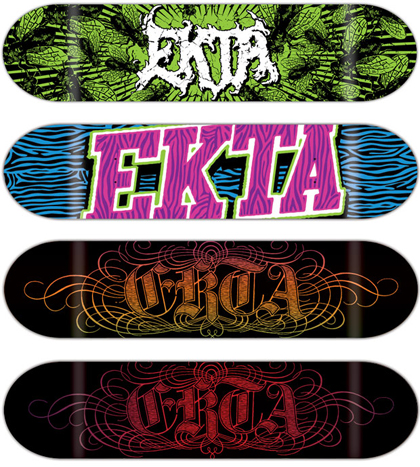
LOST SURFBOARDS
Here's a surfboard design for Lost Enterprises, part of the 2012 artist series.
- battered up graphics to give a worn texture.


Packaging influences - extreme sports -

Dean Brodrick | Joybus

a designer based in the North East of England, dean has have heavily involved in the skate scene since the 80s – skating, filming, and today creating artwork for a number of brands. he specialises in board graphics, as well as hardware and on-garment branding.


Deans influences...
How does skateboarding influence your design work and where do go for inspiration?
Skateboarding is part of my everyday life and in a way influences everything from the friends I hang out with to the magazines I read, and while I’m always stoked to see great artwork from different brands, I try not focus on what other board companies are doing when it comes to my own work. For me, getting hung up on the latest style or whatever can kill creativity. I’ve always been heavily inspired by 60s and 70s design, everything from ad posters to film credits, because it isn’t trend led in the same way that modern design can be – instead, concept is king and simple but strong ideas are central. Work from that era is also pre pixel, so it hasn’t been compromised by precision and has the hands-on look that I’m a big fan of.